Can Mold Affect Indoor Air Quality? What Austin Homeowners Should Know
Can Mold Affect Indoor Air Quality? What Austin Homeowners Should Know
Mold isn't always visible. In some properties, homeowners may notice musty odors, previous water damage, or recurring moisture without seeing obvious mold growth.
When these conditions are present, indoor air quality testing in Austin, TX may be one tool used to gather additional information about conditions inside a property.
Understanding how mold sampling works—and what the results can and cannot tell you—can help you decide when a professional mold assessment may be appropriate.
What Can Cause Mold Concerns Indoors?
Mold spores naturally exist in both outdoor and indoor environments. Problems can develop when excess moisture creates conditions that support mold growth on building materials.
Common moisture sources include:
- Plumbing leaks
- Roof and window leaks
- HVAC condensation
- Appliance failures
- Flooding or water intrusion
- Elevated indoor humidity
- Building materials that remained wet after water damage
Some moisture problems are immediately noticeable. Others may occur behind walls, underneath flooring, inside cabinets, or around HVAC components.
What Is Mold Air Sampling?
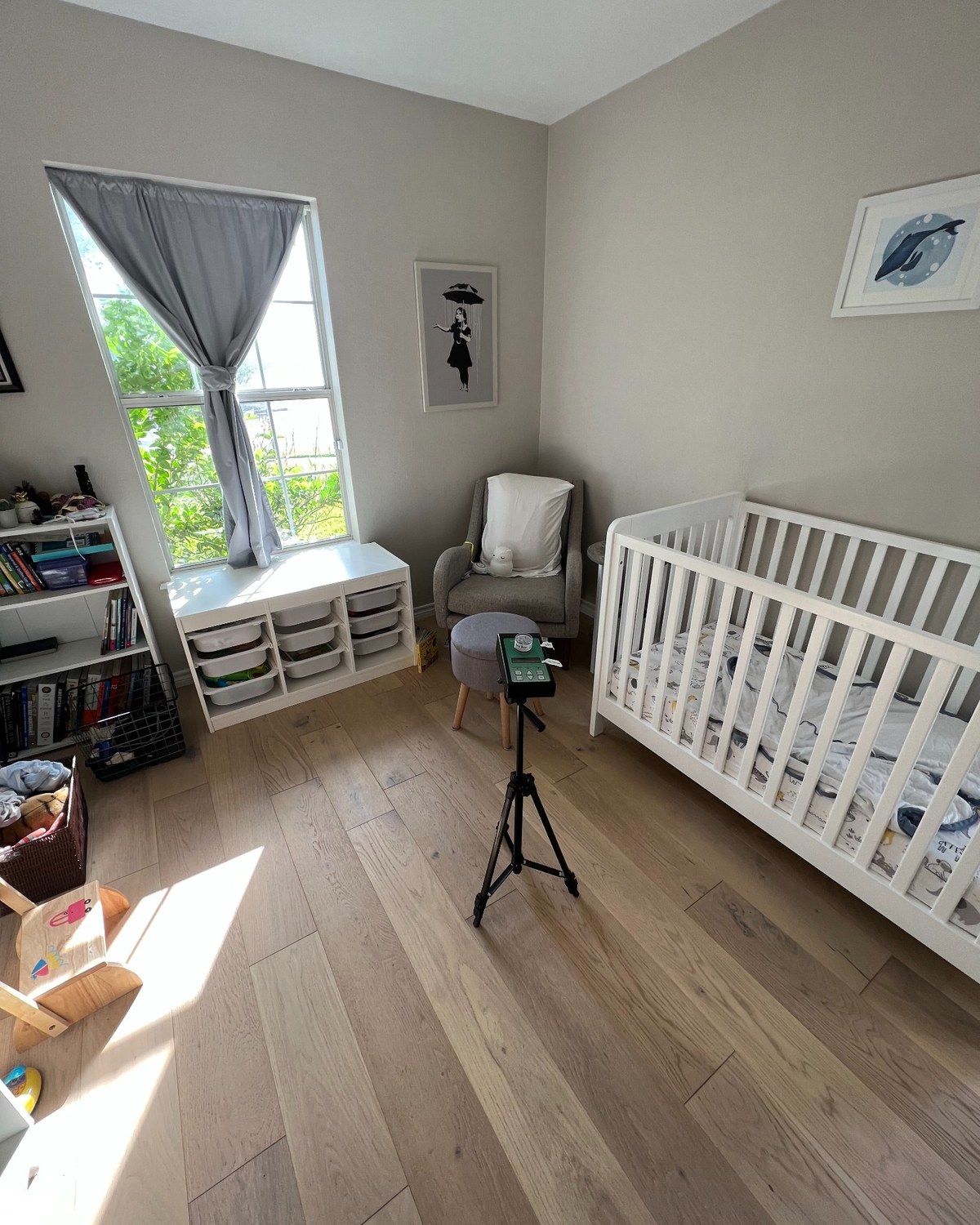
Mold air sampling involves collecting a measured volume of air and submitting the sample to a qualified laboratory for analysis.
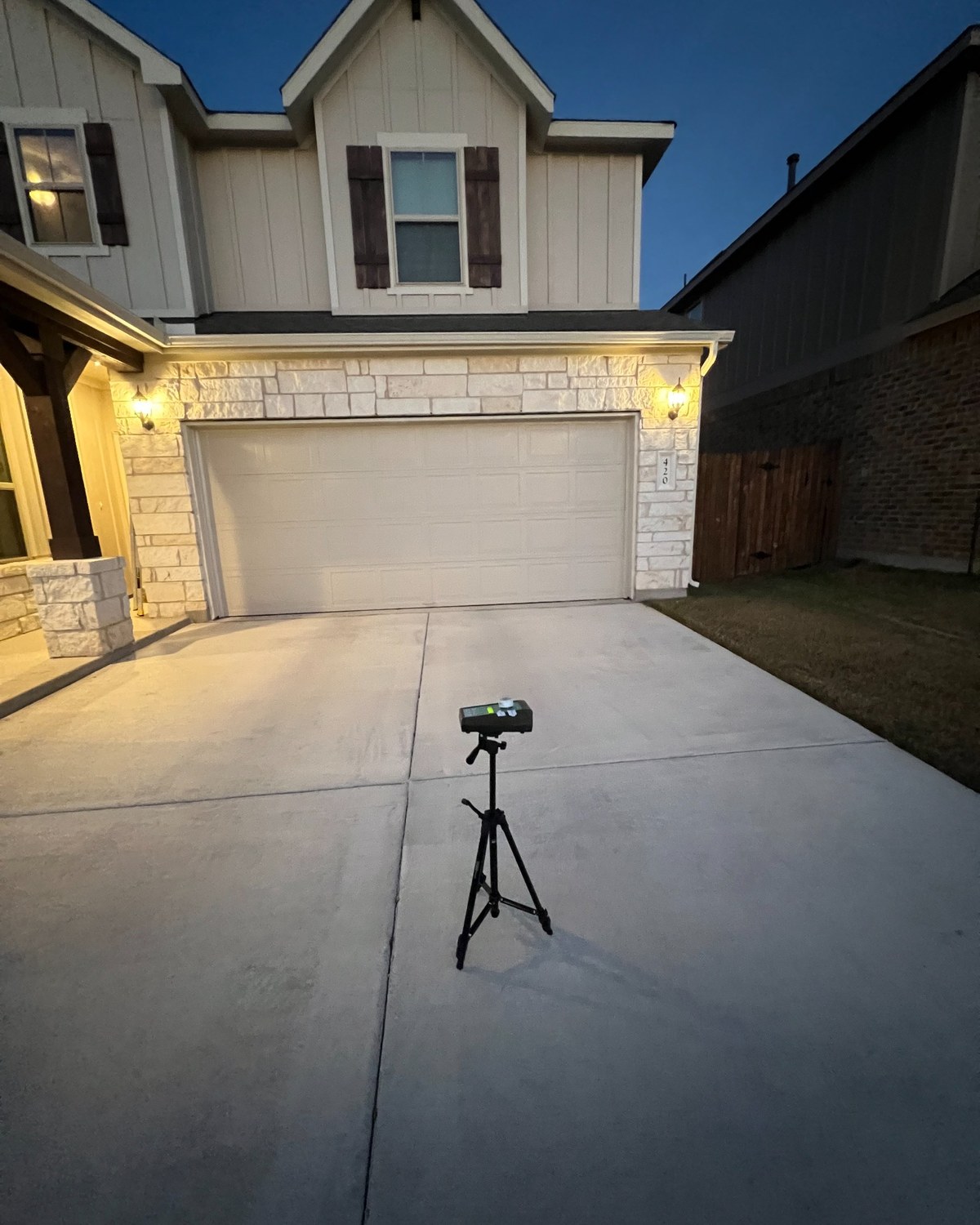
Depending on the assessment, samples may be collected from areas of concern inside the property as well as from an appropriate outdoor location for comparison.
Laboratory analysis can provide information about the types and concentrations of mold spores identified within the collected samples.
However, mold air sampling should not necessarily be viewed as a stand-alone inspection. The results are most useful when considered alongside the property's history, visual observations, moisture conditions, and other information gathered during the assessment.
When Should You Consider Air Testing for Mold?
There isn't one situation where mold air testing is appropriate for every property.
A professional assessment may be worth considering when you have:
- Persistent musty or unusual odors
- Previous or current water damage
- Recurring plumbing leaks
- Evidence of roof or window leakage
- Moisture or condensation problems
- Suspected hidden mold growth
- Concerns following a previous water event
Indoor mold testing may provide additional information when the source or extent of a potential problem isn't immediately apparent.
Can Mold Be Present Without Being Visible?
Yes. Mold growth can sometimes develop in areas that aren't readily visible during everyday use of a property.
Potential concealed areas can include wall cavities, areas underneath flooring, cabinets, HVAC-related spaces, and building materials affected by previous leaks.
However, an unusual odor or moisture concern does not automatically confirm that mold is present.
A professional inspection can help evaluate the property and determine whether additional investigation or sampling is appropriate.
Is Home Air Quality Testing Enough to Find Mold?
Air sampling can provide useful information, but it has limitations.
A sample represents conditions at a particular location and period of time. Indoor conditions can vary depending on HVAC operation, weather, ventilation, activity inside the property, and other factors.
This is why professional mold assessments generally consider more than laboratory results alone.
Visual observations, moisture evaluation, building history, areas of previous water damage, and laboratory findings can all contribute to understanding conditions at the property.
What Happens After Mold Samples Are Collected?
After samples are collected, they are submitted to a laboratory for analysis.
The resulting report can identify mold types and concentrations detected in the samples. Those findings can then be evaluated alongside the observations made during the inspection.
If the assessment identifies conditions requiring additional attention, recommendations can be provided regarding appropriate next steps.
Depending on the findings, those steps might include correcting a moisture source, further investigation, developing a remediation plan, or addressing mold-affected materials.
Should You Test After a Plumbing or Roof Leak?
Not every water leak requires mold testing.
Factors such as how long materials remained wet, which materials were affected, whether they were properly dried, and whether odors or suspected growth developed can influence whether additional evaluation makes sense.
If you're uncertain about conditions following a water event, a professional inspection can help determine whether mold air quality testing or another type of sampling is appropriate.
Concerned About Indoor Air Quality in Your Austin Home?
If you've noticed musty odors, recurring moisture, previous water damage, or other potential mold concerns, Austin Mold Services can evaluate the areas in question.
Our mold testing services can include visual observations, moisture evaluation, and air or surface sampling when appropriate. Laboratory findings are then used along with the inspection information to help you better understand conditions at the property.
Professional indoor air quality testing in Austin, TX can provide useful information when mold or moisture concerns are present.
Concerned About Mold?
Schedule a professional mold inspection and testing service for your home or business.