What Is Mold Remediation and How Does the Process Work?
What Is Mold Remediation and How Does the Process Work?
Discovering mold in your home or business can raise a lot of questions. Where did it come from? How much of the property is affected? Does material need to be removed? And most importantly, what should happen next?
Professional mold remediation is the process of addressing mold-affected materials and conditions using appropriate containment, removal, cleaning, and other remediation procedures.
If you're considering mold remediation in Austin, TX, understanding the process can help you know what to expect before work begins.
What Is Mold Remediation?
Mold remediation involves addressing mold contamination within a property and correcting affected areas according to the project's conditions and applicable requirements.
Unlike simply wiping visible growth from a surface, professional mold remediation may involve establishing containment, removing affected porous materials, cleaning remaining surfaces, controlling airborne particles, and addressing moisture conditions associated with the mold growth.
The exact scope of work depends on factors such as the location of the mold, affected materials, size of the impacted area, and source of moisture.
What Causes Mold Growth?
Mold problems are generally associated with excess moisture. Common sources can include:
- Plumbing leaks
- Roof or window leaks
- HVAC condensation
- Appliance leaks
- Flooding or water intrusion
- Elevated indoor humidity
- Materials that remained wet after water damage
Before or during the mold remediation process, identifying and correcting the source of moisture is important. Without addressing the underlying moisture problem, conditions that support mold growth may continue.
What Happens During Mold Remediation?
Every project is different, but professional mold remediation commonly involves several important steps.
1. Evaluating the Affected Area
Before remediation begins, the affected areas and materials should be identified. Depending on the project, a mold assessment or remediation protocol may provide instructions regarding the areas and materials that require remediation.
2. Establishing Containment
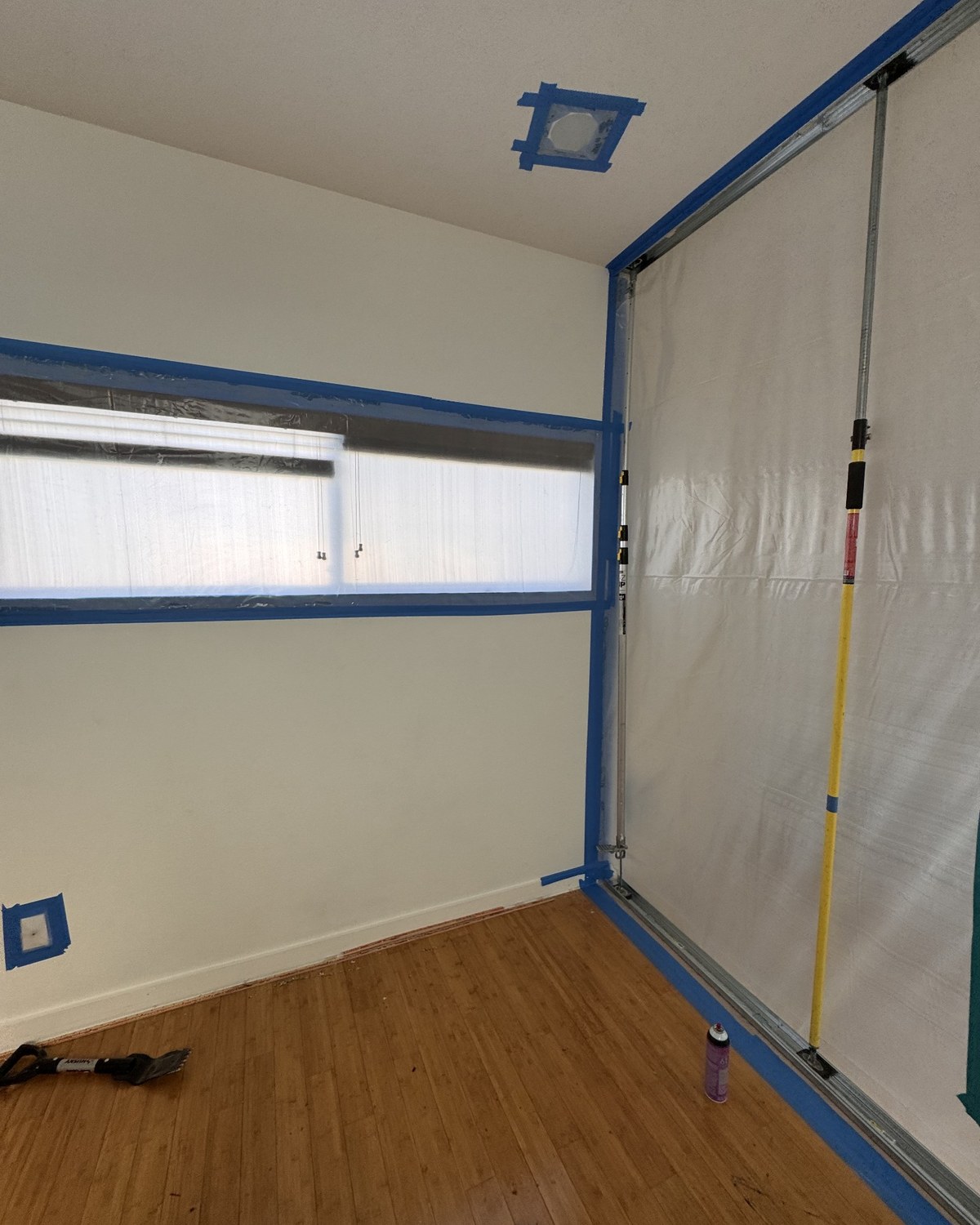
Containment may be used to separate the remediation work area from unaffected portions of the property.
Depending on the project, additional engineering controls may also be used to help manage airborne particles generated during remediation activities.
3. Removing Mold-Affected Materials
Some porous building materials affected by mold may require removal rather than surface cleaning.
This can include certain drywall, insulation, carpeting, or other materials depending on their condition and the project's remediation requirements.
4. Cleaning Remaining Materials
Materials remaining within the work area may require detailed cleaning using appropriate remediation procedures.
The objective is to address residual dust, debris, and contamination within the affected area before the project proceeds to its final stages.
5. Post-Remediation Evaluation
Depending on the project and applicable requirements, a post-remediation assessment or mold clearance testing may be performed after remediation is completed.
This evaluation can include a visual inspection and, when appropriate or required, collection of samples for laboratory analysis.
Can You Remove Mold Yourself?
Small amounts of surface growth and large mold remediation projects are not necessarily the same situation.
Mold hidden behind walls, widespread contamination, recurring moisture problems, or mold associated with significant water damage can require a more extensive evaluation.
Attempting demolition without appropriate controls can also disturb affected materials and release particles into the surrounding environment.
When the extent of the problem is uncertain, having the property professionally evaluated can help determine the appropriate next steps.
How Long Does Mold Remediation Take?
There isn't one timeframe that applies to every property.
The duration of home mold remediation can depend on the size of the affected area, materials involved, moisture conditions, required demolition, cleaning procedures, and whether additional work is needed before the project can be completed.
A smaller project may require considerably less time than remediation involving multiple rooms or extensive building materials.
What Happens After Mold Remediation?
After the remediation work is completed, the work area should be evaluated according to the requirements applicable to the project.
When mold clearance testing is performed, the assessment may include evaluating the remediated area for remaining visible conditions, debris, moisture concerns, and other factors. Sampling may also be performed when appropriate or required.
If the area meets the applicable clearance criteria, the project can proceed to the next stage. If it does not, additional corrective cleaning or remediation may be necessary before another assessment.
Need Professional Mold Remediation in Austin?
If mold has been identified in your property, Austin Mold Services can help you understand the appropriate next steps.
We provide mold remediation in Austin, TX for residential and commercial properties throughout Austin and surrounding communities.
Whether you're dealing with mold following a plumbing leak, water damage, or another moisture problem, our goal is to provide clear information and professional solutions based on the conditions at your property.
Request a Mold Remediation Estimate →
Concerned About Mold?
Schedule a professional mold inspection and testing service for your home or business.